Endoscopic Dacryocystorhinostomy
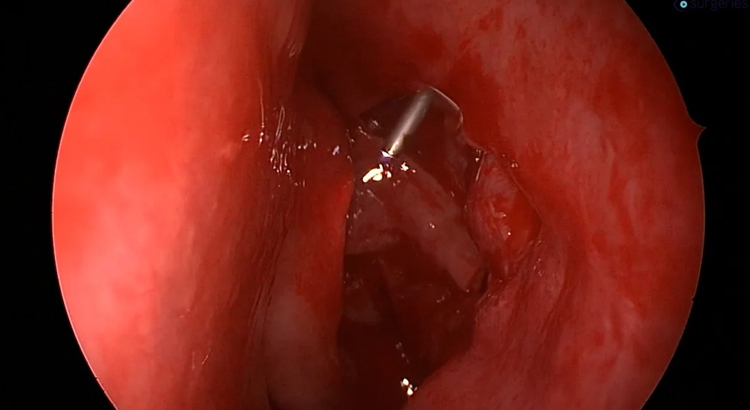
Endoscopic Dacryocystorhinostomy (DCR)
Endoscopic Dacryocystorhinostomy (DCR) is a minimally invasive surgical procedure to treat blocked tear ducts (nasolacrimal duct obstruction). It creates a new drainage pathway for tears directly from the lacrimal sac into the nasal cavity, bypassing the blocked duct. Dr. Vishal Vikas Nair performs endoscopic DCR through the nose without any external facial incisions, offering excellent results with no visible scarring.
What is Endoscopic DCR?
The nasolacrimal duct normally drains tears from the eye into the nose. When this duct becomes blocked, tears overflow onto the cheek (epiphora) and the lacrimal sac can become infected (dacryocystitis). Endoscopic DCR creates a new opening between the lacrimal sac and the nasal cavity using an endoscope introduced through the nostril, eliminating the need for an external skin incision.
Conditions Treated
- Nasolacrimal duct obstruction (blocked tear duct)
- Chronic dacryocystitis (lacrimal sac infection)
- Epiphora (excessive tearing or watering of the eye)
- Lacrimal sac mucocele
- Failed previous external DCR
- Trauma-related lacrimal duct injury
Procedure Overview
Performed under general or local anaesthesia, an endoscope is introduced through the nostril. A window is created in the lateral nasal wall to expose the lacrimal sac, which is then opened to create a new drainage pathway into the nose. Silicone stents may be placed temporarily to keep the new opening patent during healing. The procedure takes approximately 45–60 minutes and is performed as a day-care surgery.
Benefits of Endoscopic DCR
- No external facial incision or scar
- Excellent success rates comparable to external DCR
- Shorter recovery time
- Day-care procedure with minimal hospital stay
- Simultaneous treatment of nasal pathology if present
- Reduced post-operative discomfort
Symptoms Indicating DCR
- Persistent watering or overflow of tears
- Recurrent eye infections or discharge
- Swelling at the inner corner of the eye
- Pain or tenderness over the lacrimal sac area
- Mucus or pus discharge from the eye
- Blurred vision due to tear overflow
Why Choose Dr. Vishal Vikas Nair?
- Specialist in endoscopic nasal and lacrimal surgery
- Multidisciplinary collaboration with ophthalmology
- No external scar with endoscopic approach
- High success rates with experienced surgical technique
- Comprehensive pre- and post-operative care