Tracheostomy
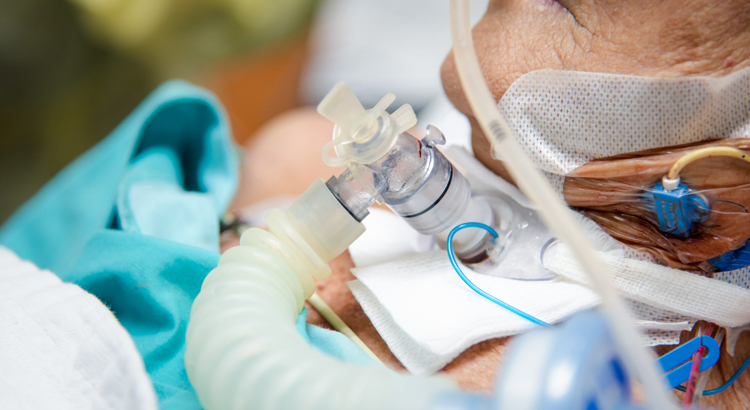
Tracheostomy
Tracheostomy is a surgical procedure that creates an opening (stoma) in the front of the neck into the trachea (windpipe) to provide a secure, direct airway. It is performed in emergency and elective settings for patients who require long-term ventilatory support, have upper airway obstruction, or need airway protection. Dr. Vishal Vikas Nair performs both emergency and planned tracheostomies with precision and comprehensive post-operative care.
What is a Tracheostomy?
A tracheostomy involves making a surgical incision in the neck and creating an opening into the trachea, through which a tracheostomy tube is inserted. This tube bypasses the upper airway (nose, mouth, throat, and larynx), allowing the patient to breathe directly through the neck. Tracheostomies may be temporary or permanent depending on the underlying condition.
Indications for Tracheostomy
Emergency Indications
- Acute upper airway obstruction (foreign body, angioedema, trauma)
- Severe laryngeal trauma or fracture
- Failed intubation in emergency settings
- Acute epiglottitis with impending airway compromise
Elective Indications
- Prolonged mechanical ventilation in ICU patients
- Head and neck cancer surgery (laryngectomy, pharyngectomy)
- Bilateral vocal cord paralysis
- Subglottic or tracheal stenosis
- Obstructive sleep apnoea (severe, refractory cases)
- Neurological conditions affecting swallowing and airway protection
- Facilitation of weaning from mechanical ventilation
Types of Tracheostomy
Surgical Tracheostomy
Performed in the operating theatre under general or local anaesthesia. A formal surgical incision is made in the neck, and the trachea is opened under direct vision. This is the standard approach for most elective and emergency tracheostomies.
Percutaneous Dilational Tracheostomy (PDT)
A minimally invasive bedside procedure performed in the ICU using a Seldinger technique with bronchoscopic guidance. Suitable for selected ICU patients requiring prolonged ventilation.
Tracheostomy Care and Decannulation
Comprehensive tracheostomy care includes regular tube changes, stoma care, humidification, and suctioning. When the underlying condition resolves, a structured decannulation (removal of the tracheostomy tube) programme is followed, with gradual downsizing and capping trials to ensure the patient can breathe safely through the upper airway before tube removal.
Benefits of Tracheostomy
- Secure, reliable airway in critical situations
- Facilitates weaning from mechanical ventilation
- Reduces work of breathing
- Enables oral feeding and communication in selected patients
- Improves patient comfort compared to prolonged endotracheal intubation
- Allows airway management during complex head and neck surgery
Why Choose Dr. Vishal Vikas Nair?
- Expert in emergency and elective tracheostomy procedures
- Experienced in complex airway management and head and neck surgery
- Comprehensive tracheostomy care and decannulation programme
- Multidisciplinary team approach with ICU, speech therapy, and nursing
- Dedicated patient and family education for home tracheostomy care