Foreign Body Removal
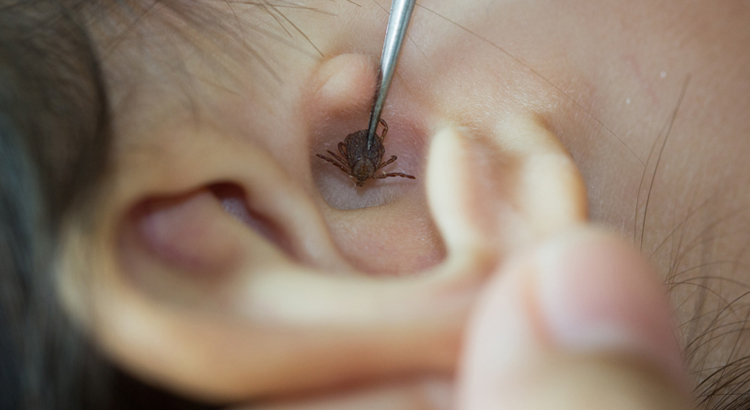
Foreign Body Removal (Ear)
Foreign body in the ear is a common ENT emergency, particularly in children, where objects such as beads, insects, cotton, seeds, or small toys become lodged in the ear canal. Prompt and safe removal is essential to prevent injury to the ear canal and ear drum. Dr. Vishal Vikas Nair provides expert, atraumatic removal of foreign bodies from the ear using appropriate instruments and techniques.
Common Foreign Bodies Found in the Ear
- Beads, buttons, and small toys (common in children)
- Insects (live or dead)
- Cotton wool or cotton buds
- Seeds, beans, or food particles
- Hearing aid components
- Earring backs or jewellery pieces
- Paper or foam pieces
Symptoms of a Foreign Body in the Ear
- Ear pain or discomfort
- Sensation of fullness or blockage in the ear
- Reduced hearing on the affected side
- Ear discharge or bleeding
- Buzzing or noise in the ear (if a live insect)
- Itching or irritation in the ear canal
- Foul smell from the ear (if object has been present for some time)
Removal Techniques
Instrumentation Under Direct Vision
Using an otoscope or endoscope, the foreign body is visualised and removed with appropriate instruments such as crocodile forceps, right-angle hooks, or suction devices.
Irrigation
Gentle syringing with warm water may be used for certain non-organic foreign bodies, provided the ear drum is intact.
Removal Under General Anaesthesia
In uncooperative children or when the foreign body is deeply lodged or impacted, removal under general anaesthesia ensures safe and complete extraction without injury.
Why Prompt Removal is Important
- Prevents ear canal infection and otitis externa
- Avoids perforation of the ear drum
- Prevents hearing loss from prolonged obstruction
- Reduces risk of complications from delayed treatment
- Relieves pain and discomfort quickly
Why Choose Dr. Vishal Vikas Nair?
- Expert in atraumatic foreign body removal techniques
- Experienced in managing paediatric ENT emergencies
- Advanced endoscopic equipment for precise visualisation
- Gentle approach to minimise patient discomfort
- Prompt assessment and treatment to prevent complications